BUYER EDUCATION HUB
Buying a home is one of the biggest financial decisions you’ll make and it should never feel rushed or unclear.
This page is designed to walk you through the buying process step by step, answer common questions, and help you understand your options before you ever write an offer.
Whether you’re a first time buyer, VA buyer, relocating, or upgrading, these resources will give you a strong foundation.
THE HOME BUYING JOURNEY

GET PREPARED
Understand your budget, explore loan options, and get pre-approved so you can shop with confidence.
FIND THE RIGHT HOME
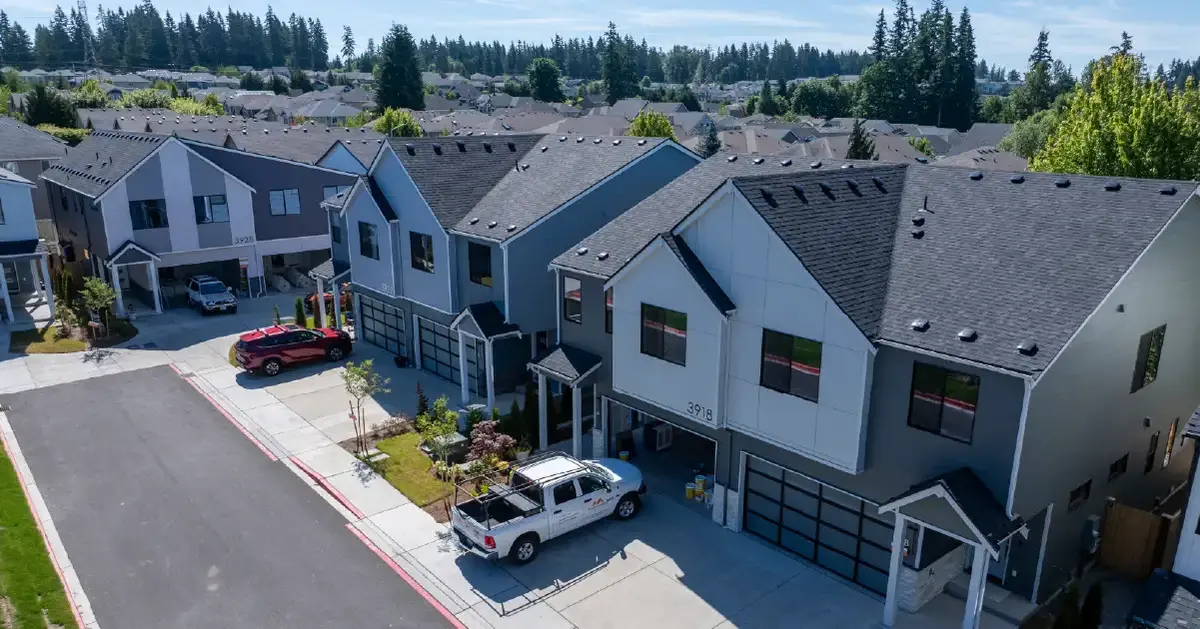
Tour homes, evaluate neighborhoods, and make a strategic offer that aligns with your goals.

CLOSE ON YOUR HOME
Complete inspections, finalize financing, and close on your home with clarity and confidence.
WHAT YOU NEED TO KNOW
The Home Buying Process
What are the main steps in the home buying process?
The process typically includes:
1. Financial preparation and pre-approval
2. Home search and showings
3. Making an offer
4. Contract acceptance
5. Inspections and appraisal
6. Loan underwriting
7. Final approval and closing
The exact timeline may vary depending on market conditions, loan type, and location.
How long does the home buying process usually take?
From offer acceptance to closing, the process commonly takes 30–45 days, though timelines can be shorter or longer depending on the transaction.
Home Loan Options Explained
FHA
What is an FHA loan?
An FHA loan is a mortgage insured by the Federal Housing Administration. The insurance protects the lender, not the buyer, which allows lenders to offer more flexible qualification guidelines than some other loan types.
Who are FHA loans designed for?
FHA loans are commonly used by:
- First time homebuyers
- Buyers with lower credit scores
- Buyers with limited funds for a down payment
( Eligibility and approval depend on lender guidelines and borrower qualifications. )
How much down payment is required for an FHA loan?
FHA loans typically require a minimum down payment, which may be lower than conventional loans. The exact amount depends on credit profile and lender requirements.
Does an FHA loan require mortgage insurance?
Yes. FHA loans require mortgage insurance, which usually includes:
- An upfront mortgage insurance premium
- A monthly mortgage insurance payment
( Mortgage insurance requirements may vary depending on loan terms and down payment amount. )
Can FHA loans be used for all types of homes?
FHA loans can be used for many residential properties, including single family homes and certain multi unit properties, as long as the property meets FHA standards and the buyer occupies the home as a primary residence.
CONVENTIONAL LOANS
What is a conventional loan?
A conventional loan is a mortgage that is not insured or guaranteed by a government agency. These loans are offered by private lenders and typically follow guidelines set by Fannie Mae and Freddie Mac.
Who are conventional loans best suited for?
Conventional loans are often ideal for:
- Buyers with stronger credit profiles
- Buyers with larger down payments
- Buyers looking to avoid long-term mortgage insurance
Approval standards vary by lender and loan program.
How much down payment is required for a conventional loan?
Down payment requirements vary and can be lower or higher depending on the loan program, borrower qualifications, and lender guidelines.
Do conventional loans require mortgage insurance?
Mortgage insurance may be required if the down payment is below a certain percentage. Unlike FHA loans, mortgage insurance on conventional loans can often be removed once sufficient equity is reached.
Can conventional loans be used for different property types?
Yes. Conventional loans may be used for primary residences, second homes, and investment properties, depending on loan terms and lender requirements.
VA LOANS
What is a VA loan and how does it work?
A VA loan is a mortgage program backed by the U.S. Department of Veterans Affairs that helps eligible service members, veterans, and surviving spouses purchase a home. The VA does not lend the money directly; instead, it guarantees a portion of the loan, which allows lenders to offer more favorable terms.
Who is eligible for a VA loan?
Eligibility is based on military service requirements, which typically include active duty service, veteran status, or qualifying service in the National Guard or Reserves. Eligibility is confirmed through a Certificate of Eligibility (COE) issued by the VA.
What are the main benefits of a VA loan?
VA loans commonly offer:
- No down payment (in most cases)
- No private mortgage insurance (PMI)
- Competitive interest rates
- More flexible credit guidelines
Benefits and lender overlays may vary depending on location and lender.
Are there misconceptions about VA loans?
Yes. A common misconception is that VA loans are harder to close or less competitive. In reality, VA loans follow standard underwriting guidelines and often perform as well as other loan types when properly structured.
How does the VA funding fee work?
Most VA loans include a one-time funding fee that helps sustain the program. The fee amount depends on factors such as first time use, down payment amount, and service status. Some borrowers may be exempt. The fee can often be financed into the loan.
Disclaimer: Loan programs and requirements may vary by lender, borrower qualifications, and location. Information provided is for educational purposes only and is not lending or legal advice.
Down Payment Options
What Is a Down Payment?
A down payment is the portion of the home’s purchase price that a buyer pays upfront at the time of purchase. The remaining balance is typically financed through a mortgage loan.
The down payment shows the lender that the buyer has invested their own funds into the purchase, which can help reduce the lender’s risk.
How Does a Down Payment Work?
When buying a home, the purchase price is divided into two parts:
- Down payment – paid by the buyer upfront
- Loan amount – borrowed from the lender and paid over time
For example, if a home costs $400,000 and the buyer puts down $20,000, the remaining $380,000 is financed through the loan.
How much money is required for a down payment?
Down payment requirements vary by loan type. Some programs allow little to no down payment, while others require a percentage of the purchase price.
Are there programs that help with down payments?
Yes. There are assistance programs that may offer grants, deferred loans, or forgivable loans to help with down payment and closing costs. Availability and eligibility vary by location and program guidelines.
Is it better to put more money down?
A larger down payment can reduce monthly payments and interest costs, but it is not always necessary or ideal, depending on cash reserves, investment goals, and loan terms.
Is a Down Payment the Same as Closing Costs?
No. A down payment is not the same as closing costs.
Closing costs are additional expenses related to the loan and transaction and are paid separately from the down payment.
Key Takeaway
A down payment is an upfront investment toward purchasing a home. The amount required depends on the loan type, lender guidelines, and buyer qualifications. While a larger down payment can provide benefits, many buyers have options that require less upfront cash.
Disclaimer: Down payment requirements and assistance programs may vary by lender, loan program, and location. This information is provided for educational purposes only and does not constitute lending or financial advice.
Closing costs are the fees and expenses required to complete a real estate transaction. These costs are paid at closing and are separate from the down payment.
What Do Closing Costs Typically Include?
Closing costs may cover items such as:
- Loan origination and lender fees
- Appraisal and credit report fees
- Title services and title insurance
- Escrow or settlement fees
- Prepaid items like property taxes, homeowners insurance, and interest
The exact items and amounts vary depending on the loan type, lender, and transaction details.
How Much Are Closing Costs?
Closing costs are commonly estimated as a percentage of the purchase price, but the actual amount depends on several factors, including:
- Loan program
- Purchase price
- Whether the buyer negotiates seller credits
- Lender and service provider fees
Costs may be higher or lower depending on location, lender, and loan structure.
Can Closing Costs Be Reduced?
In some cases, buyers may be able to:
- Negotiate seller concessions
- Use lender credits in exchange for a higher interest rate
- Qualify for assistance programs
Availability and limits vary by loan type, market conditions, and location.
What Is Pre-Qualification?
Pre-qualification is an informal estimate of how much a buyer might be able to borrow. It is typically based on information provided by the buyer and does not usually involve full documentation or verification.
Pre-qualification:
- Is quick and informal
- Uses self-reported financial information
- Does not guarantee loan approval
What Is Pre-Approval?
Pre-approval is a more detailed review of a buyer’s financial profile. It involves verifying income, assets, credit, and debt and provides a clearer picture of what a buyer can afford.
Pre-approval:
- Requires documentation and verification
- Provides a stronger estimate of borrowing power
- Strengthens offers when submitting them to sellers
Why Does the Difference Matter?
Pre-approval shows sellers that a buyer is serious and financially prepared. In competitive markets, a pre-approval is often expected before an offer is accepted.
Final loan approval still depends on underwriting, appraisal, and meeting all lender conditions.
How Is a Home’s Price Determined?
A home’s price is determined by a combination of market data, property characteristics, and buyer demand. The list price is typically a starting point; sometimes it's not a guarantee of value.
Key Factors That Influence Home Pricing
Comparable Sales (Comps)
Recent sales of similar homes in the area are one of the strongest indicators of value. Size, condition, location, and features are all considered.
Current Market Conditions
Supply and demand play a major role. In markets with low inventory and high demand, prices may rise. In slower markets, buyers may have more negotiating power.
Property Condition & Features
Upgrades, layout, lot size, age, and overall condition can increase or decrease value.
Location & Neighborhood
School zones, proximity to amenities, commute options, and neighborhood desirability all impact pricing.
Buyer Demand
Multiple offers or high interest can drive prices higher, while limited interest may create room for negotiation.
Important Note
A home’s list price, sale price, and appraised value are not always the same. Final pricing is influenced by market response and lender requirements.
What Is Earnest Money and Why Is It Required?
Earnest money is a deposit a buyer submits with an offer to show serious intent to purchase a home. It demonstrates good faith and commitment to the transaction.
How Earnest Money Works
- Earnest money is typically held by a neutral third party, such as an escrow or title company.
- It is applied toward the buyer’s down payment or closing costs at closing.
- The amount is agreed upon during offer negotiations.
What Happens to Earnest Money?
If the transaction closes:
The earnest money is credited toward the buyer’s purchase costs.
If the transaction is canceled:
The handling of earnest money depends on contract terms and timing. In many cases, buyers may receive a refund if they cancel within agreed contingency periods.
Can Earnest Money Be Lost?
Yes. If a buyer fails to meet contract obligations or cancels outside allowed contingencies, the earnest money may be forfeited. Rules vary by contract and location.
What Is the Difference Between an Inspection and an Appraisal?
What Is a Home Inspection?
A home inspection is conducted for the buyer’s benefit. It evaluates the condition of the property and identifies potential issues or maintenance concerns.
Inspections typically review:
- Structure and foundation
- Roof and exterior
- Plumbing, electrical, and HVAC systems
- Major visible components
An inspection does not determine value.
What Is an Appraisal?
An appraisal is conducted for the lender’s benefit. It determines the home’s market value to ensure it supports the loan amount.
Appraisals consider:
- Recent comparable sales
- Property condition
- Location and market trends
An appraisal does not provide a full condition report.
Why Both Matter
The inspection helps buyers understand the home’s condition.
The appraisal protects the lender and confirms value.
Both steps play a critical role in informed decision-making.
Common Buyer Mistakes
What are common mistakes buyers make during the process?
Common mistakes include:
- Making large purchases or opening new credit before closing
- Not fully reviewing loan terms
- Skipping inspections
- Focusing only on monthly payment instead of total cost
- Not budgeting for ongoing homeownership expenses
- Changing Jobs or Income Structure During the Process
- Assuming Seller Concessions Are Guaranteed
- Overlooking HOA Rules and Costs
How can buyers avoid costly missteps?
Buyers can reduce risk by staying financially consistent, asking questions early, working with experienced professionals, and understanding the full financial picture before committing
Buyer Tips
Financial Preparation Tips
Know Your True Budget: Focus on what you’re comfortable paying monthly not just what you’re approved for. Consider long term affordability, not just the purchase price.
Build a Cash Cushion: Even with low down payment options, having reserves can help cover inspections, appraisals, repairs, and unexpected expenses after closing.
Keep Your Finances Stable: Avoid changing jobs, making large purchases, or opening new credit accounts during the buying process. Consistency helps prevent delays.
Loan & Financing Tips
Get Fully Pre-Approved Early: A full pre-approval strengthens your offer and helps you move quickly when the right home comes up.
Understand Your Loan Options: Different loan types affect your upfront costs, monthly payment, and long term equity. The “best” loan depends on your situation and goals.
Ask for a Loan Estimate Review: Before committing, review your loan estimate carefully so you understand rates, fees, and projected payments.
Home Search Tips
Prioritize Needs vs. Wants: Separate must haves from nice to haves. This keeps your search focused and prevents decision fatigue.
Look Beyond Cosmetics: Paint, flooring, and fixtures can be changed. Location, layout, and lot size cannot.
Pay Attention to the Neighborhood: Visit at different times of day, check nearby amenities, and consider commute times, noise levels, and long term appeal.
Offer & Negotiation Tips
Be Strategic With Your Offer: The strongest offer isn’t always the highest price. Terms, timing, and flexibility can matter just as much.
Understand Market Conditions: Competitive markets require different strategies than slower markets. Your approach should adjust accordingly.
Stay Objective: Emotions are normal, but decisions should be supported by facts, market data, and long term planning.
Inspection & Due Diligence Tips
Never Skip Due Diligence Lightly: Inspections help uncover potential issues and future costs. Even competitive markets benefit from informed decision making.
Review Reports Thoroughly: Understand what’s urgent versus cosmetic, and evaluate repair implications realistically.
Plan for Ongoing Maintenance: Homeownership includes maintenance. Budgeting for upkeep helps protect your investment.
Closing & Moving Tips
Respond Quickly to Requests: Timely document submission helps keep your closing on track.
Do a Final Walkthrough: Confirm the property’s condition before closing to ensure agreed-upon terms are met.
Plan Your Move in Advance: Scheduling movers, utilities, and insurance ahead of time reduces stress as closing approaches.
Key Takeaway: Preparation, education, and the right guidance make the buying process smoother and more predictable. The more informed you are, the more confident your decisions will be.
MORTGAGE CALCULATOR
By checking this box, I agree to receive recurring marketing communication from or on behalf of Calvin Amerson Realty, including auto-dialed calls, texts, and artificial/prerecorded voice messages (message frequency varies; data rates may apply; reply "STOP" to opt-out of texts or "HELP" for assistance); Consent not required to make a purchase. I understand that I can call to obtain direct assistance.
By checking this box, I agree to the Terms of Service and Privacy Policy of this website.
BUYER SERVICES
We're here to help you find the home of your dreams. With a team of experts guiding you every step of the way, our extensive knowledge and experience will ensure you have the best home buying experience possible.

Real Estate, Handled With Purpose.
Buying or selling a home isn’t just a transaction; it’s a decision that affects how you live, move, and build over time. The right representation doesn’t rush that process. It guides it.
I’m Calvin Amerson, originally from Raleigh, North Carolina, and a real estate professional known for bringing structure, clarity, and strategy to every deal. I work with buyers, sellers, and investors across multiple states, supported by a strong national referral network that allows my clients to move confidently, no matter where their next chapter begins. I also serve on active duty in the United States Marine Corps, balancing both with professionalism and precision.
My background includes working with relocation clients and military families, navigating time-sensitive moves, VA loans, and out-of-state closings, as well as investors focused on long term positioning rather than short term wins. Each situation is different, and I approach everyone with the same priority: protect the client, respect the process, and execute with intention.
I believe real estate should feel informed, not overwhelming. My role is to simplify complexity, communicate clearly, and create a plan that aligns with your goals before any paperwork is signed.
This isn’t about selling homes.
It’s about helping people make smart, confident moves today and for the future.
Welcome. When you’re ready, let’s do this the right way.
1420 Kettner Blvd Ste 100, San Diego, CA 92101, USA
https://calvinamersonrealty.comVIDEOS
Coming Soon......